


Tao Group Hospitality Rewards
4.695.00 Reviews
App Specs
- Version
- 2.100.10
- Updated On
- License
- Free
- Downloads
- 100,000+
- Developer
- Tao Group Hospitality
- Categories
- Food & Drink
- Platform
- Android
Screenshots
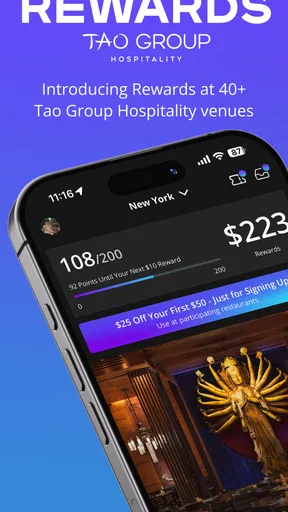
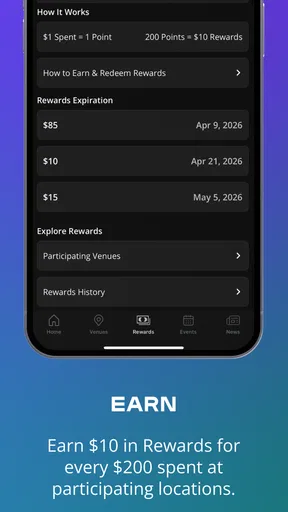
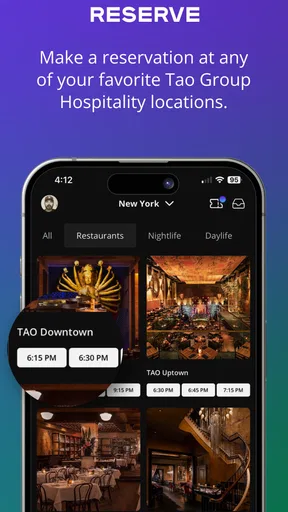
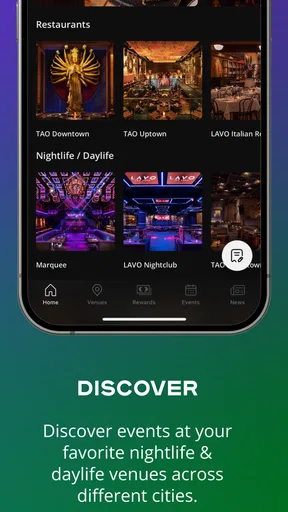
 Analysis by AppCompare
I installed Tao Group Hospitality Rewards to see whether it could make visits to Tao Group Hospitality venues feel more worthwhile, rather than becoming another app that sits unused after registration. My overall impression is that it works best as a companion for people who already visit participating venues or expect to do so regularly. It is free, aimed at everyone, and built around a simple idea: connect your dining and nightlife activity with rewards instead of leaving each visit as a one-off transaction.
The app belongs to the Food & Drink category and is developed by Tao Group Hospitality. Its store summary, “Eat. Drink. Earn. Repeat.”, describes the basic appeal clearly, but it does not explain the practical experience. The useful question is not whether earning rewards sounds attractive; it is whether the app fits naturally into the way you plan, pay, and return to Tao Group locations. After using it with that workflow in mind, I found a focused rewards tool rather than a full restaurant discovery or meal-planning service.
From planning a visit to seeing the value afterward
I find the most useful way to approach a visit is to decide beforehand what I want from the outing, then let the rewards step fit around that plan rather than dictate it. A quick account check before heading out can also make the end of the evening less distracting. From there, the next section looks at how I judge whether the value afterward is worth keeping track of.
Starting with the right expectation
The first thing I would tell a friend is to treat this as a loyalty app, not as a replacement for a general food app. If you want broad restaurant search, independent reviews, delivery comparisons, grocery planning, or recipe ideas, this is not designed for that job. Its purpose is much narrower: help connect your relationship with Tao Group Hospitality to a rewards program.
That narrow focus is a strength when your plans already involve the company’s venues. Instead of searching through unrelated restaurants, I can think about the visit itself: where I am going, whether I want to use the rewards account, and what I should check before completing the transaction. The app makes more sense when it is opened before or around a real outing, not when I am casually browsing for somewhere to eat in an unfamiliar city.
It is also worth separating the app from the wider experience of a venue. The application can support the loyalty side of a visit, but it cannot make a crowded dining room quieter, change a menu, or solve a reservation problem. I found that distinction important because rewards apps can create the expectation that every part of the customer journey happens inside one screen. Here, the app is one link in the chain.
The practical step-by-step flow
My preferred workflow starts before leaving home. I open the app with a specific visit in mind and make sure I am using the correct rewards account. That small check matters: the benefit of a loyalty app depends on the activity being associated with the right profile. I would not wait until the end of a busy evening to remember how the program works.
Worth Reading Before You Choose

EA SPORTS FC Mobile 26 Is a Bigger Football Game, but It Takes Time

Flipboard Shows What News Apps Must Do Beyond the Feed

Switching to Android Auto Means Rethinking Your Driving Routine

Google Calendar Makes a Crowded Week Easier to Manage

Ludo King Makes the Most of the Minutes Between Plans

Baby Panda World Brings Quick Play to Modern Phones, but Its Game Library Feels Busy
Next, I use the app as a reminder that the visit should be connected to the rewards program. The most useful habit is to decide in advance that I will check the app before paying or before leaving the venue. This is one of the less obvious lessons of using it: the app’s value comes less from repeatedly browsing and more from building a reliable handoff between a physical visit and a digital account.
During a realistic evening, the process might look like this. I meet friends for dinner, keep the rewards app available on my phone, and check what action is needed before the bill is settled. Once the visit is complete, I verify the result in the account rather than assuming that everything was recorded automatically. That final check is easy to skip, but it is the step that turns a vague promise of future rewards into something I can actually track.
I would also avoid treating the app as a reason to spend more than planned. A reward is only useful if it follows a visit I already wanted to make. If I start ordering extra food or extending a night out solely to chase progress, the economics become much less appealing. The strongest workflow is therefore visit first, account check second, reward decision later.
Where the handoffs matter
The app sits between several parts of the experience: my phone, the venue, the payment moment, and the rewards account. Each handoff is a possible point of friction. I may remember the app but forget to use it at the right time. Staff may be busy. My group may split the bill. A night out may involve more than one venue or more than one transaction. These situations are ordinary, yet they can make a simple loyalty process feel less automatic.
For that reason, I would keep the app ready before the visit instead of downloading it while standing in a queue. I would also make sure my account details are settled ahead of time and check the reward balance after the outing. This is not glamorous advice, but it is the kind that prevents disappointment. The app rewards consistency in your routine more than enthusiasm in the moment.
Another useful handoff is between the person paying and the people receiving the benefit. If friends are sharing a meal, the person whose account is used may be the one who receives the loyalty value, even though everyone contributed to the bill. That makes it sensible to agree beforehand who will handle the rewards step. It avoids the awkward situation where several people open the app at once or nobody takes responsibility.
I also see a difference between a solo visit and a group visit. Alone, I can check the account without slowing anyone down. In a group, the app should be handled quietly and early, because friends usually care more about getting seated, ordering, and leaving smoothly than watching someone troubleshoot a rewards screen. This is a small workflow adjustment, but it makes the app feel less intrusive.
What the result feels like
When the process goes smoothly, the result is straightforward: a visit that would have happened anyway also contributes to a continuing relationship with Tao Group Hospitality. That is the app’s main satisfaction. It gives repeat customers a reason to keep their activity organized instead of treating every meal or night out as disconnected from the next one.
The free price removes the most obvious barrier to trying it. I do not have to decide whether a subscription will pay for itself, which makes the app easier to recommend to an existing customer. Still, free does not mean universally valuable. Someone who rarely encounters Tao Group venues may not open it often enough for the rewards structure to matter.
The app has reached over one hundred thousand installs, with an average rating of 4.6 from roughly four hundred ratings and close to one hundred written reviews. Those figures suggest that it has found an audience, although they should not be read as proof that every user will have the same experience. Loyalty apps are especially dependent on personal habits: frequency of visits, location, spending patterns, and willingness to remember the required steps all affect the outcome.
In my use, the best result is not instant gratification. It is reduced friction over time. Once the account becomes part of my normal pre-visit and post-visit routine, I am less likely to forget where my rewards activity belongs. That is a modest benefit, but a real one for someone who already spends money with the developer’s hospitality brands.
Useful habits that are easy to overlook
My first practical tip is to check the account before the evening begins, not only afterward. This gives me a chance to notice whether I am signed into the profile I intend to use and whether I understand the current next step. A rewards app is most frustrating when it is opened only after a transaction, when there is little time to correct a mistake.
My second tip is to separate earning from redemption in my thinking. I do not assume that a reward earned today should be used today. Keeping those moments separate makes it easier to judge whether the program is genuinely helping. I can enjoy the visit first, then decide later whether the accumulated value is worth planning around.
My third tip is for group outings: choose one rewards owner before arriving. This avoids duplicated effort and makes the handoff clear. If the group changes plans during the night, I would repeat the account check rather than assuming that a new venue or transaction follows the same process as the first one.
A fourth insight is that the app is more useful as a memory aid than as entertainment. I would not expect to spend much time exploring it between visits. Its role is closer to a digital receipt folder and loyalty checkpoint: open it at the moments where information needs to move from the venue to the account, then close it and get on with the meal or evening.
Where the workflow breaks
The biggest weakness is dependence on timing. If I forget the app until after paying, the experience can become uncertain or require extra effort. That is not necessarily a flaw unique to this product, but it is a real limitation of loyalty systems tied to physical visits. The more spontaneous the outing, the easier it is to miss the moment when the app is most useful.
There is also a mismatch between the app and people who want one universal food wallet. Someone who regularly visits many unrelated restaurants may prefer a broader rewards service, a credit-card program, or a payment app that works across more places. Tao Group Hospitality Rewards is more specialized. Its focus is helpful for loyal customers, but restrictive for anyone whose dining life is spread across many independent businesses.
Another friction point is social pressure. Friends may not want to pause a conversation while I deal with an account or rewards step, particularly at the end of a long night. The solution is preparation, but preparation itself is part of the cost. If I am unwilling to remember the program before each relevant visit, I may not get enough value from installing it.
I would also skip it if my main goal is discovering new food in general. The app does not replace a map, reservation service, critic-led guide, or delivery marketplace in my daily routine. Those tools are better when the starting condition is “What should I eat tonight?” This one is better when the starting condition is “I am already considering a Tao Group Hospitality visit; how do I keep the loyalty side organized?”
Who should install it
I recommend it to regular Tao Group Hospitality customers, people who plan repeat visits, and anyone who prefers keeping rewards connected to the company they already use. It is especially sensible for a person who often forgets loyalty programs after signing up, because a dedicated app gives that relationship a clear home on the phone.
It can also suit social planners. If I am usually the person arranging dinners or nights out, having the rewards account ready before the group arrives can make the process more deliberate. The benefit is not just earning; it is knowing who will handle the digital part so that the rest of the group does not have to think about it.
On the other hand, I would not make it a priority for someone who visits Tao Group venues only once, travels constantly between unrelated restaurants, or dislikes managing separate loyalty accounts. In those cases, a broader rewards option may be more convenient, even if it offers less direct connection to a particular hospitality group.
Device support and everyday suitability
The current version is 2.100.10, and the app supports Android devices running version 7.0 or later. That makes it accessible to many Android users, including people who are not carrying a recent flagship phone. The age rating is Everyone, so the app is positioned as a general-purpose loyalty tool rather than something restricted to a mature audience.
Those technical details matter less than the routine around them. A compatible phone is only the starting point; I still need enough battery, a working account, and a willingness to check the app at the right point in the visit. For a night out, I would treat it like any other payment-adjacent app and avoid leaving the setup until the last minute.
The developer name is visible and consistent with the app’s purpose: Tao Group Hospitality is not presenting a generic coupon wallet, but a rewards experience tied to its own hospitality ecosystem. That specialization gives the app a clearer identity than many broad food apps, though it also explains why its usefulness depends so strongly on where I choose to eat and go out.
My final take after following the full journey
Tao Group Hospitality Rewards is a focused tool for turning repeat visits into a more organized rewards relationship. I like that it is free and that its purpose is easy to understand once I place it in the real-world workflow: prepare before the visit, handle the account at the right handoff, and verify the outcome afterward.
It is not the app I would choose for restaurant discovery, broad discounts, delivery, or managing every kind of dining purchase. Its value is conditional, and the main condition is simple: I need to visit Tao Group Hospitality venues often enough to care about what happens after each transaction. When that is true, the app earns a place on my phone. When it is not, it becomes another loyalty account to remember.
My recommendation is therefore practical rather than universal. Install it before a planned visit, set up the rewards routine when you have time, and decide in advance who will manage it during group outings. If the app fits places you already enjoy, that small amount of preparation can make future visits feel more connected. If your dining habits are broader or more spontaneous, a general rewards alternative may serve you better.
Pros
- Earn rewards across Tao Group Hospitality venues.
- Useful for discovering participating restaurants
- clubs
- and events.
- Digital membership keeps reward details accessible in one place.
- Can provide access to member-only offers and experiences.
- Convenient for regular visitors to participating Tao Group locations.
Cons
- Rewards may be limited to selected venues and locations.
- Offer availability can vary by date
- event
- and venue policy.
- Some benefits may require advance booking or reservation details.
- The app is less useful if you rarely visit Tao Group venues.
- Account and location permissions may be required for full functionality.
FAQs for Tao Group Hospitality Rewards
What is Tao Group Hospitality Rewards?
Tao Group Hospitality Rewards is a loyalty program connected to participating TAO Group Hospitality restaurants, nightlife venues, and entertainment experiences. It is designed to let eligible guests earn rewards or receive member benefits when they interact with participating venues. Availability, earning rules, and benefits may vary by location, event, reservation type, and current program terms, so users should review the details in the app before relying on a specific offer.
How do I earn points or rewards with Tao Group Hospitality Rewards?
After creating an account and completing any required profile information, members may be able to earn rewards through qualifying purchases, visits, reservations, or promotional activities at participating TAO Group Hospitality locations. The exact requirements are not necessarily the same everywhere. Before paying, check whether your reservation or transaction qualifies, and keep receipts or booking details in case a reward does not appear automatically.
Where can I use my Tao Group Hospitality Rewards benefits?
Rewards are generally limited to participating TAO Group Hospitality venues and may be restricted by city, restaurant, nightclub, event, date, or purchase category. Some offers may apply only to food and beverage purchases, while others could involve reservations or special experiences. Always open the individual reward to read its restrictions, expiration date, blackout periods, and redemption instructions before visiting a venue.
Do Tao Group Hospitality Rewards expire?
Rewards, points, promotional credits, and member offers may have expiration dates or other conditions. An account can also be affected by changes to the loyalty program, inactivity, canceled reservations, refunds, or transactions that are later determined to be ineligible. Because terms can change, users should regularly check their account and use available benefits before the displayed expiration date rather than assuming they remain valid indefinitely.
Is Tao Group Hospitality Rewards free, and what information is required to join?
Joining a loyalty program is commonly free, but users should confirm the current terms because particular experiences, reservations, events, or promotional offers may involve separate costs. The app may request information such as your name, email address, phone number, birthday, or location preferences. Review the privacy policy and notification settings during registration so you understand how your data and marketing permissions are handled.


